What storytellers notice that others miss
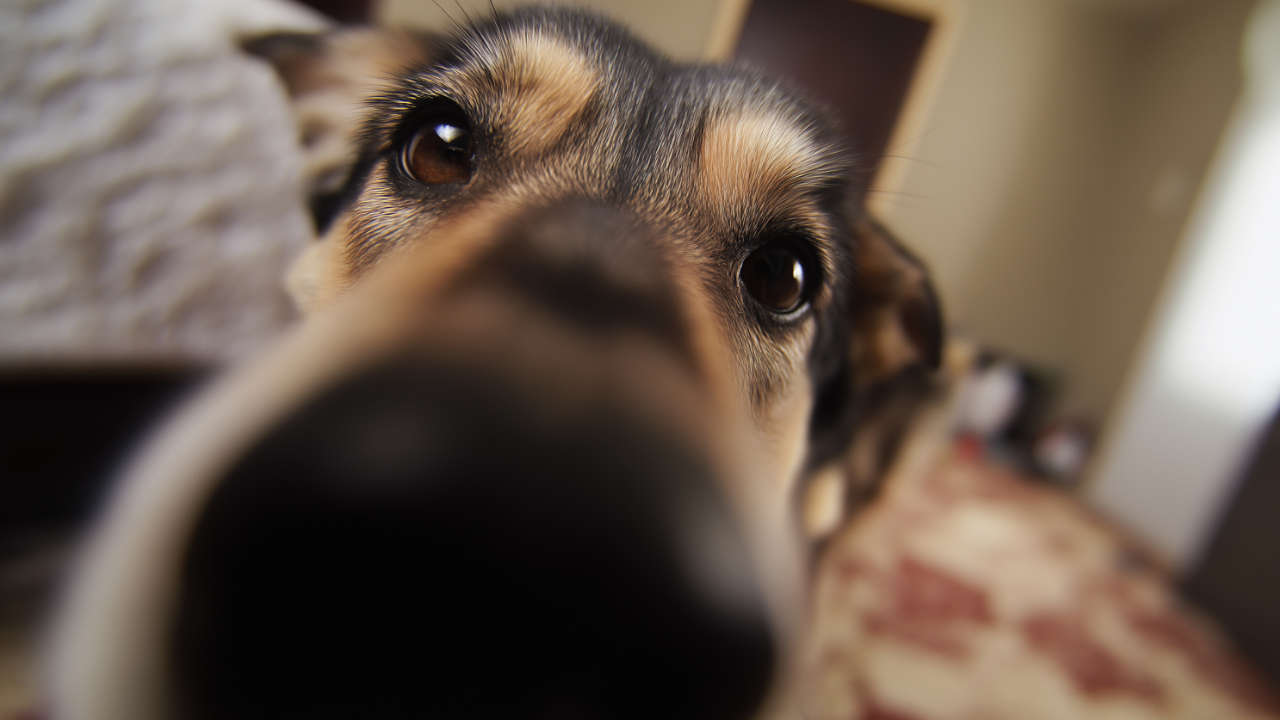
Here's a story about a dog and a girlfriend that echoed an important principle about storytelling:
I know someone who named his dog Kevin.
Nothing wrong with the name Kevin, of course, but for a dog?
His hope, he explained, was to be able to call for his dog and make people think he was calling for his child.
“Kevin! C’mon, Kevin!
“Time for dinner, Kevin!”
“Kevin, sit! Stay!”
He thought it would be hilarious.
He told me that his wife hated the name and only agreed to it if she was allowed to name their firstborn, regardless of what he wanted.
Unbelievably, He agreed.
Of course, the couple eventually had twins, allowing his wife to name his first two children, making the deal even more lopsided.
When I heard the story — absent the husband’s rationale — I thought that maybe his wife had a previous boyfriend named Kevin, and this was his attempt to emasculate him.
“The name of your former love shall be the name of our dog.”
When I told him what my suspicions were, he said, “Actually, my wife’s childhood crush was named
Kevin, so maybe it was in the back of my mind, and that’s what I was doing.”
If my friend had been a storyteller, he would’ve made that connection long ago.
Storytellers are deeply curious about their lives. They afford themselves the time to think about who, why, and how they are. They seek connections and causations in their lives. They ponder and prod and poke at their past.
They are self-centered in the most positive way, meaning they believe that thinking about themselves helps them become better versions of themselves.
They also find many more stories to tell.
Finding stories in our lives is how we can expand and extend our perception of our lives.
It’s also the way we always have new stories to tell, and in the words of one of my clients this week, “Stories are like gold dust. They make everything better.”
I agree.
If you need help, I have a course specifically designed to help you find stories — help you slow down, pay attention, and hold onto the moments that matter most.
It’s called Storyworthy Moments .
It’s the most important thing you can do as a storyteller.